
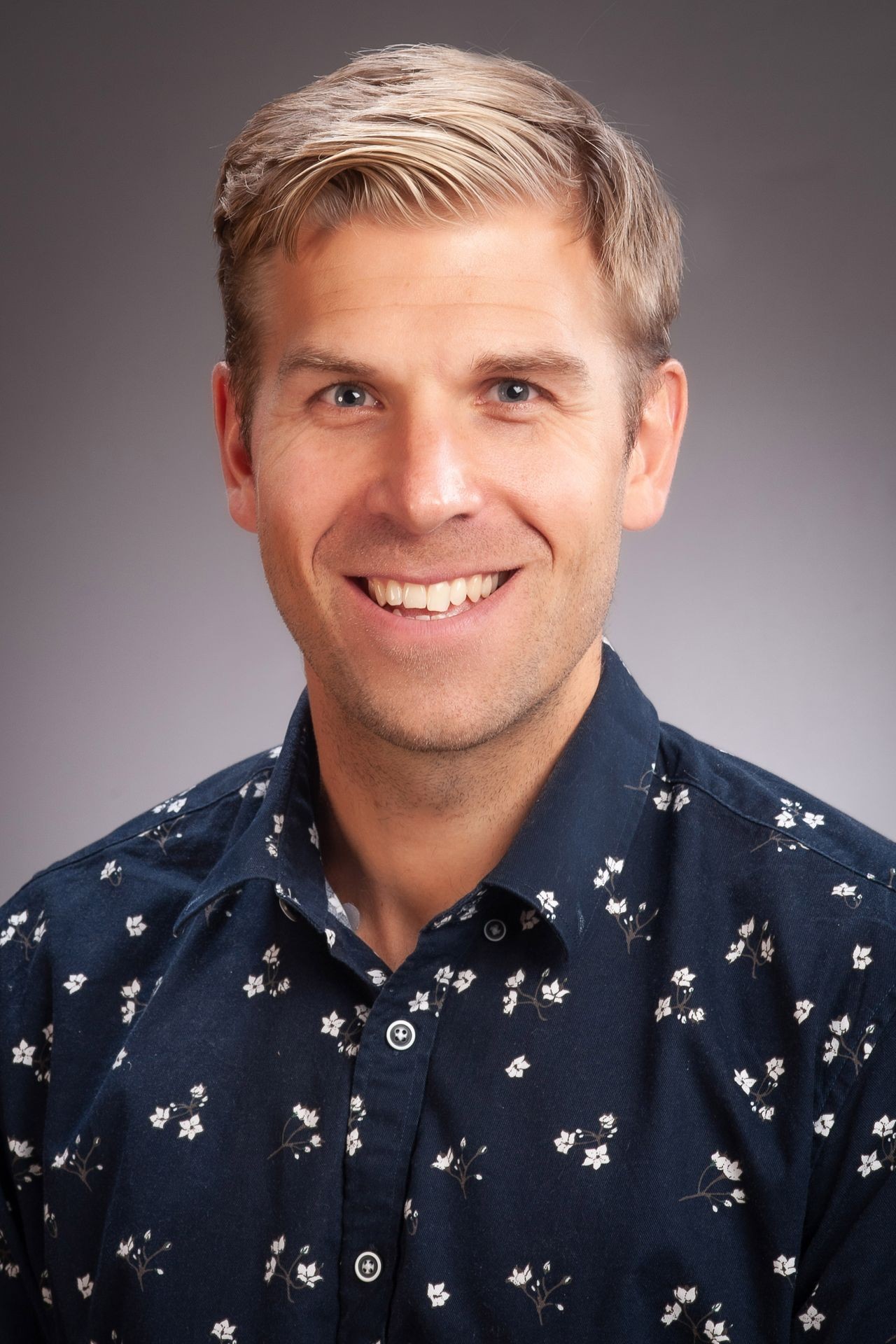
Tēnā Koe · hello! I'm Dr Josh Faulkner a Clinical Psychologist/Neuropsychologist and Senior Lecturer.
I completed my PhD and clinical psychology training at Te Herenga Waka - Victoria University. I have worked clinically in various mental health and physical rehabilitation services. In 2021, I completed a post-doctoral fellowship at the AUT Brain Injury Network.
In 2022, I joined the School of Psychological Sciences, where I founded and led the NRCS lab. I work closely with clinical services and national stakeholders to support the translation and implementation of research into routine TBI care across Aotearoa New Zealand. I continue to work clinically in concussion and rehabilitation services and provide clinical supervision.
Meet Our Team
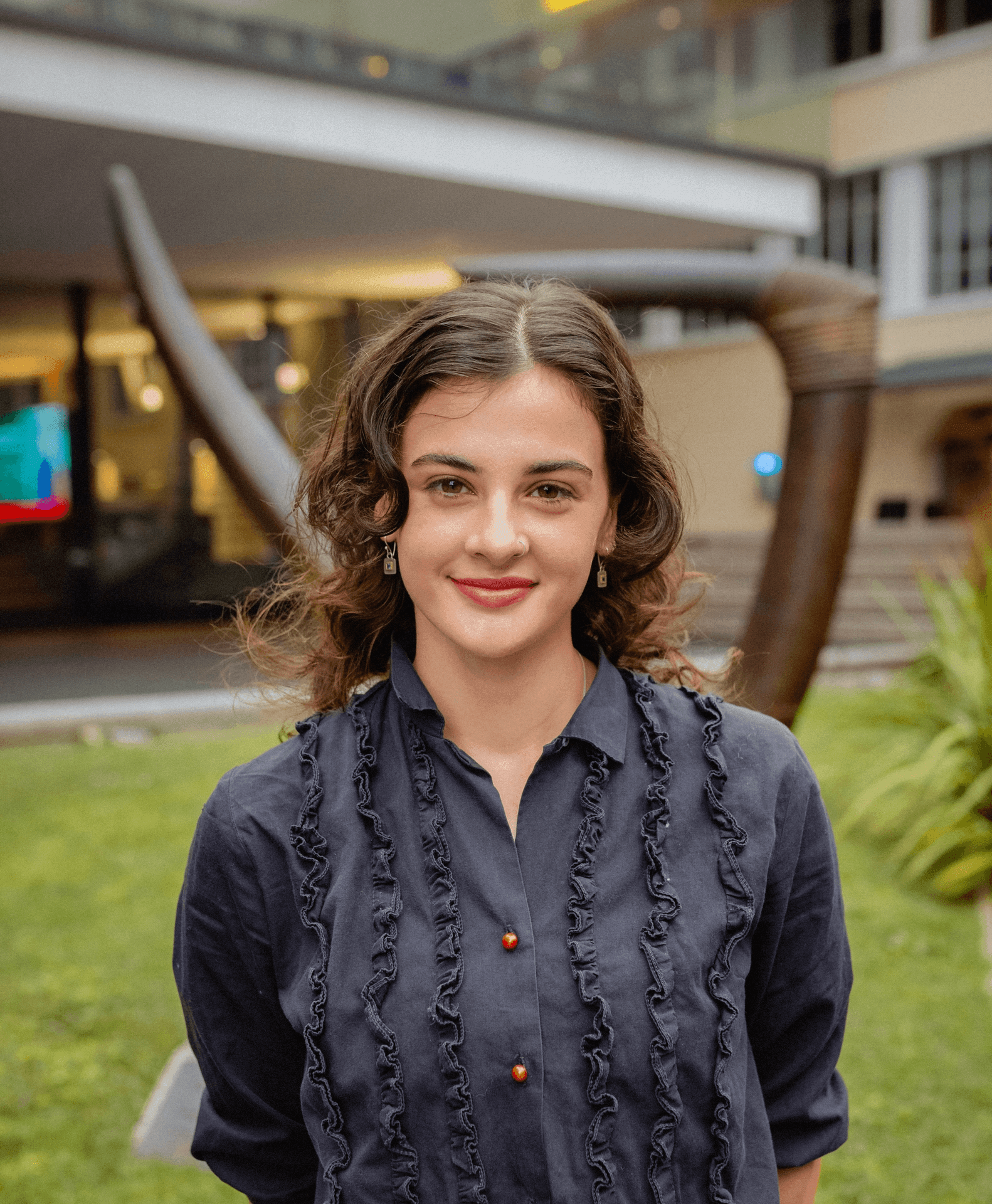
Elise Callagher
Kia ora, I'm Elise, a PhD student and I've completed my first year of training in the Clinical Psychology programme. My doctoral research focuses on cognitive recovery after concussion and examines psychological mechanisms that may perpetuate persistent cognitive difficulties. I've completed her Honours research within the NRCS lab, evaluating a concussion psychoeducation tool – CLARITY. My other research interests include psychological flexibility and wellbeing in organisational contexts.
I have worked extensively as a care worker in both community and residential settings. This work sparked my passion for neuropsychology and for supporting the wellbeing of individuals living with cognitive challenges and other disabilities. When not studying, I can usually be found in an op-shop or with a book and a well-made cup of coffee.

Ana Below
Kia ora e te whānau - my name is Ana (Te Arawa, Ngāti Whakaue, Ngāti Rangiwewehi) and I am a PhD candidate and student in the postgraduate clinical psychology programme. My PhD research is looking at the cultural congruency and responsiveness of Acceptance and Commitment Therapy (ACT), including the Psychological Flexibility Hexaflex Model, with Māori clinicians and communities. My other research interests include mild Traumatic Brain Injury (mTBI), intercultural relations, intersectional health, Indigenous Psychology, and Kaupapa Māori research.
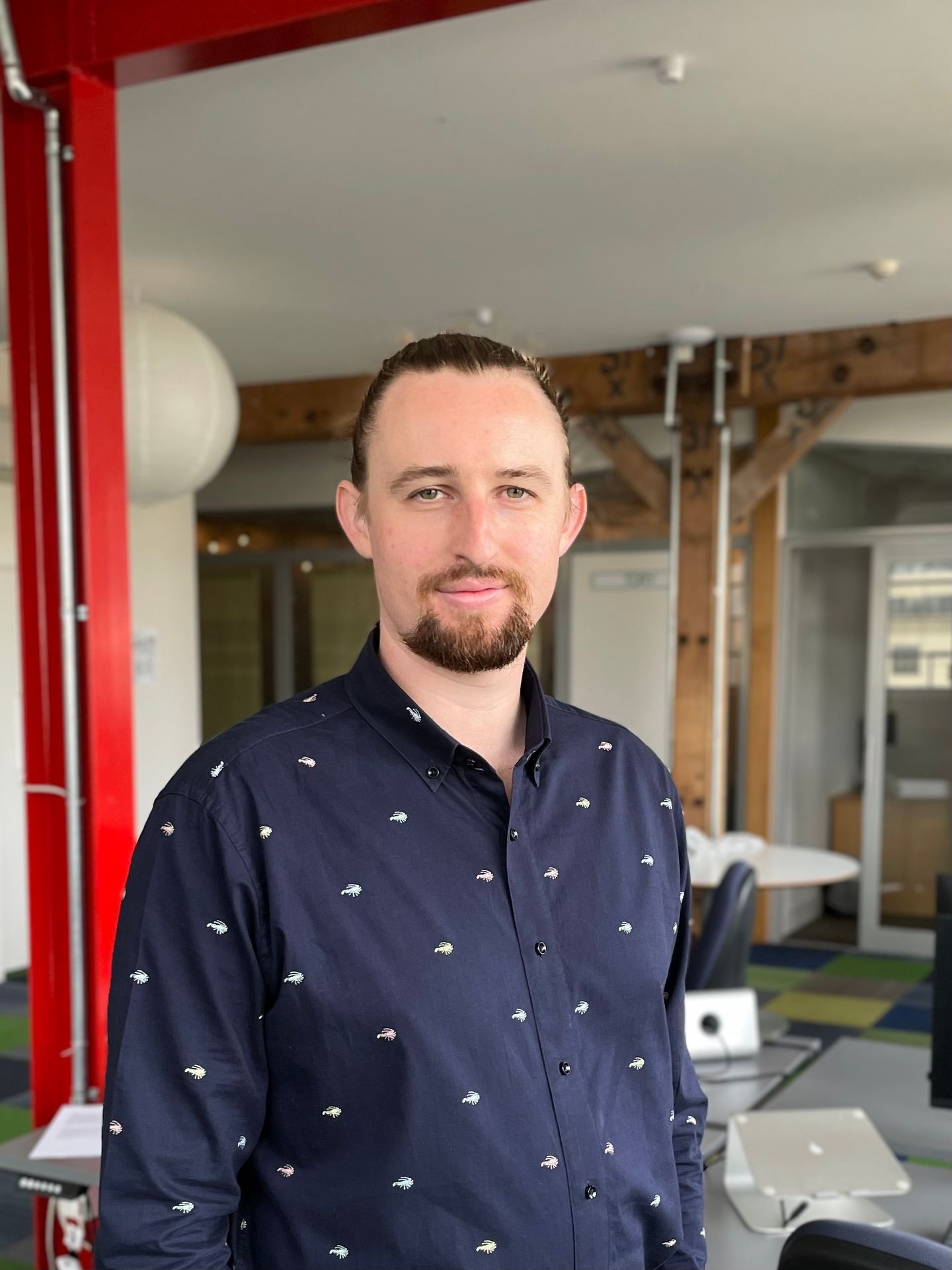
Jarrod Charteris-Scott
Hello! I’m Jarrod. After completing a music degree and working as a window cleaner abseiling sky-rise buildings for several years, I decided to return to Victoria to pursue clinical psychology. I am very grateful to now be in my second year training as a clinical psychologist!
Along side my clinical training, I am working to complete a masters thesis. On the journey of studying clinical psychology, I discovered I am passionate about understanding the processes of change in psychotherapy; what works for who and why? As such, my masters research is focused on exploring the relationship between psychological flexibility (a therapeutic process of change) and wellbeing and distress. I will be using a promising new measure of psychological flexibility (The Personalised Psychological Flexibility Index) and network analysis, an emerging method for exploring complex relationships within and between constructs such as psychological flexibility and well-being and distress.
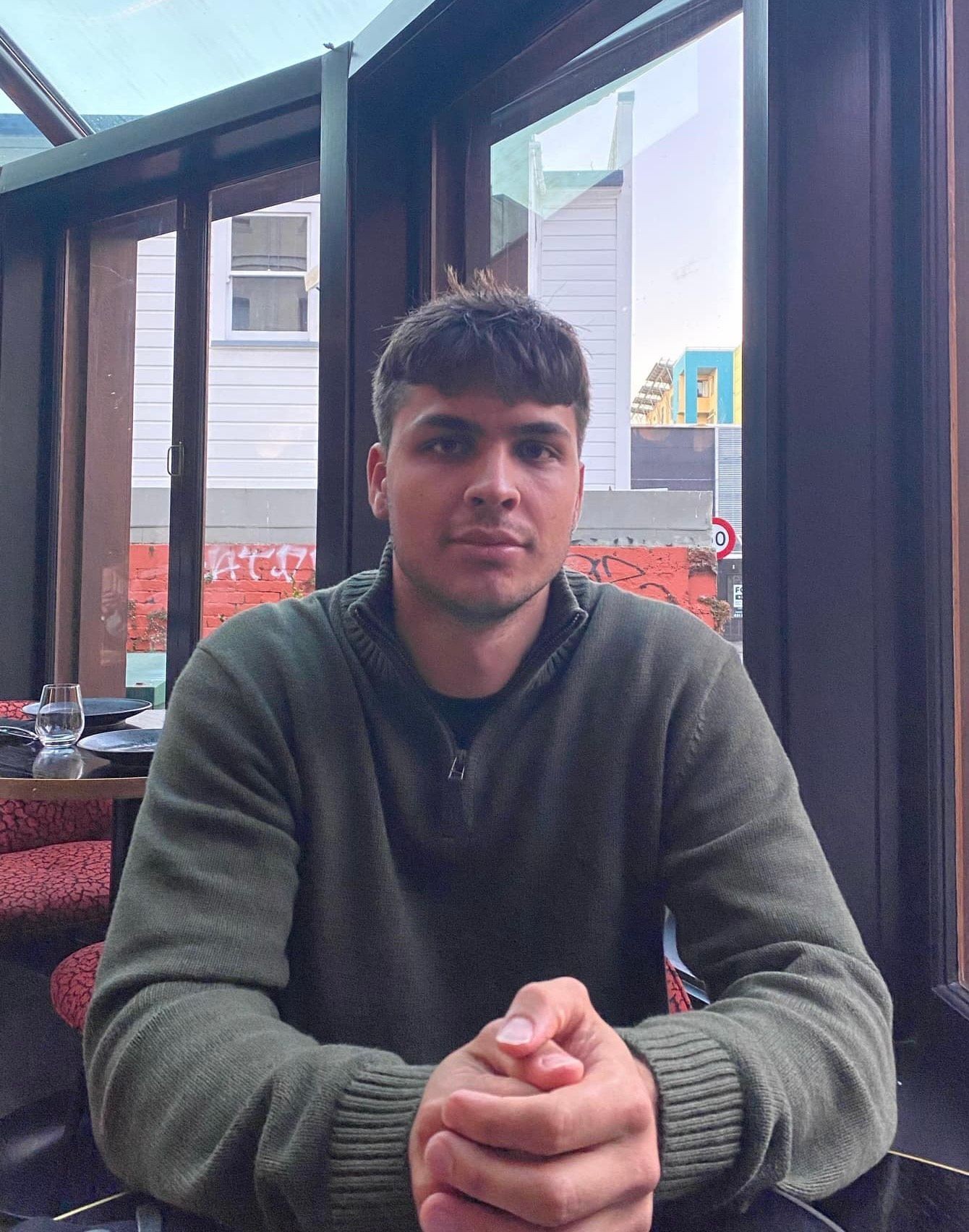
Josh Viljoen
Kia ora koutou katoa! My name is Josh Viljoen and I am a postgraduate student in the Clinical Psychology programme and a member of Dr Faulkner’s NRCS lab. My Master’s research will incorporate a network analysis methodology to investigate whether experiential avoidance, psychological flexibility, or psychological inflexibility mediate the relationship between post-concussion symptoms and psychological distress. In my spare time, you can probably catch me reading a novel or shooting some hoops!
Past Students
Doctorate Thesis
- Hannah Marshall: Traumatic Brain Injury and Substance Use Disorder in Aotearoa New Zealand: Characteristics, Correlates, and the Role of Social Cognition in an Inpatient Addictions Treatment Sample
Masters Thesis
- April Dobbie: Disentangling the Measurement of Psychological Flexibility: A Latent Profile Analysis.
- Anais Bentley: Just a Concussion?”: Barriers to Help-Seeking for Traumatic Brain Injury amongst Individuals with Substance Use Disorder
- Kate Shostak: Decoding TBI Complexity: A Person-Centred Approach to Exploring TBI in Substance Use Populations and Its Impact on Social Cognition
- Lilli Renner: A moderated-expression model of successful psychopathy: psychopathic personality traits, psychological flexibility, and valued goal pursuit.
- Caroline Szembrener: Exploring psychological mechanisms that contribute to the development of post-traumatic stress disorder in mild traumatic brain injury
- Lydia Johnston: The role of psychological flexibility on headache severity following mild traumatic brain injury
- Maureen O’Reilly: Exploring fear avoidance behaviour in individuals who sustain a mild traumatic brain injury and the impact on outcomes
Honours Thesis
- Georgina Warren: Tracking Experiential Avoidance across ACT-Adjust 2.0: A Session-by-Session Analysis after Severe Traumatic Brain Injury.
- Hamish Saddler: The Relationship between Subjective Cognitive Complaint and Return to Work after Mild Traumatic Brain Injury.
- Callum Goodwin: Evaluating the Clinical Utility of a New Measure of Cognitive Complaint after Mild Traumatic Brain Injury.
- Muireann Heussaff: A Serial Mediation Analysis of the Theoretical Model of Psychological Flexibility
- Damian Dyer: What Next? Exploration and Assessment of the Personalised Psychological Flexibility Index Within Mild Traumatic Brain Injury Contexts
- Elise Callagher: Evaluation of a Biopsychosocial Education Resource for Mild Traumatic Brain Injury: A Qualitative Exploratory Study.
- Jarrod Charteris-Scott: Transdiagnostic Processes Underlying Substance Use Disorder and Posttraumatic Stress Disorder: A Preliminary Test of a Transdiagnostic Model
- Lisetta Darroch: The effect of goal constructs and psychological flexibility on mental health.
- Evie Cleland: Exploring Mental Health Outcomes after Cerebral Venous Thrombosis.
- Danielle Bourne: The Impact of Cerebral Venous Thrombosis on Social Functioning and Quality of Life.